Working Capital for Community Needs
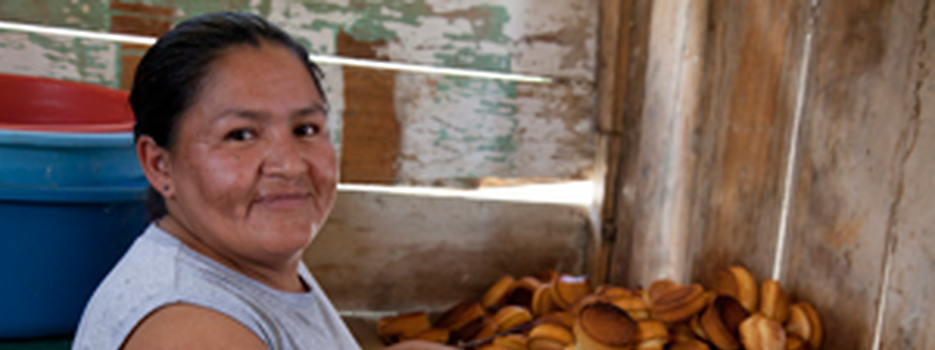
Working Capital for Community Needs(WCCN) is a not-for-profit organization that empowers low-income Latin American entrepreneurs and small-scale farmers through microcredit, fair trade, housing projects, and women’s empowerment initiatives.
Since our founding in 1984, we have continued to implement sustainable economic and social advancement programs through our partnerships with microfinance institutions, development organizations, and cooperatives in Ecuador, El Salvador, Guatemala, Honduras, Nicaragua and Peru
Since we started working with Boardman Clark four years ago I have been extremely happy with the legal advice we have received from them. We are a nonprofit that administers a social loan fund that works in six Latin American countries, so our legal needs are very unique. We need legal advice mostly on securities related issues and Kirsten Spira has been our main legal counsel. Kirsten has been not only extremely responsive to all our legal requests, but also she has been very helpful with our own decision making processes by attending our board meetings and helping our board and staff to fully understand all the legal implications of any important decisions we need to make. Kirsten went even further above and beyond when she helped us formulate new business relationships in Peru, where she lived as a teenager.