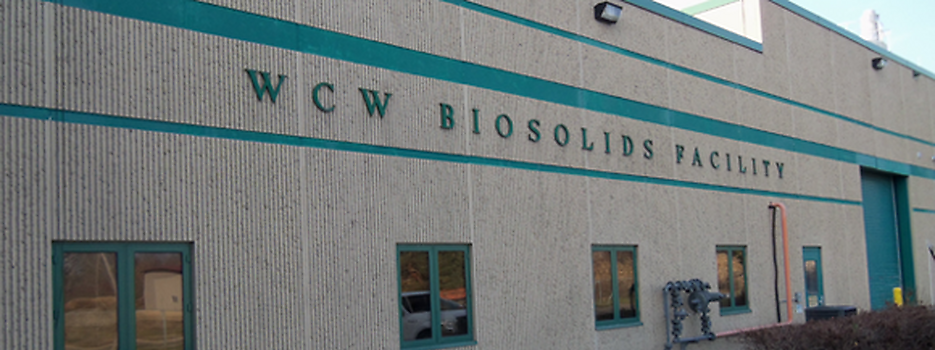
West Central Wisconsin Biosolids Facility
The West Central Wisconsin Biosolids Facility (“WCWBF”) is a state of the art wastewater recycling facility located in Ellsworth, Wisconsin. Its members include 11 Wisconsin cities and villages that joined together in 1997 to finance, build and operate a plant to more efficiently process and re-use municipal wastewater sludge. The WCWBF system, which now serves another 11 local communities in Wisconsin and Minnesota, runs treated sewage sludge (known as “biosolids”) through a centrifuge to dewater the biosolids, creating a drier product called cake. This cake is then processed using a lime stabilization system to reduce odor, remove pathogens and produce a better, more stable product that can be used as a substitute for chemical fertilizers. Organized under state laws that permit the formation of intergovernmental commissions, WCWBF is a great example of how joint action can benefit local communities by allowing them to more efficiently manage and finance limited resources for mutual benefit.
"The attorneys at Boardman Clark helped us at the beginning to form our commission and draft our long term agreements and are always ready to provide us timely and cost effective legal service when we have questions or need assistance; we appreciate their straight-forward, practical approach." -Randy Lindquist, WCWBF Superintendent